

Khelo24Bet’s cashback offer looks generous at first glance, but the real value depends on the game you play, the house edge you face, and the rules attached to the return. I checked it the way a floor player checks a blackjack shoe: by separating the headline from the fine print, then testing what survives after the excitement fades. In table games, a cashback deal can be either a real cushion or a marketing cushion.
My method was simple. I compared common table-game loss patterns, looked at how cashback is usually calculated in casino promotions, and challenged the easy assumption that “cashback” automatically means “money back.” That assumption gets players in trouble. A 10% return on net losses is useful only if the wagering rule, game eligibility, and timing are clean enough to make the offer usable. Otherwise, the number is decoration.
What the cashback offer really returns to table-game players
Cashback in casino terms usually means a percentage of net losses returned as bonus funds or cash, often after a set period such as a day or week. For table games, that can matter more than it does for slots because the pace is slower and the swings can be sharper. A blackjack player who loses ₹5,000 in a session feels a 5% or 10% rebate differently than a slot player chasing a high-volatility bonus feature.
Here is the key point: cashback is not the same as insurance. A genuine cashback program reduces the pain of a bad run, but it rarely changes the underlying math of the game. If the offer is 10% on net losses and the eligible game is roulette, you are still playing a negative-expectation game; the rebate just softens the landing.
- Net losses usually mean deposits minus withdrawals and sometimes bonus deductions.
- Eligible games may be limited to specific table titles.
- Cashback can arrive as bonus credit, free bet, or cash-equivalent balance.
- Some offers cap the return, so larger losses do not always mean larger relief.
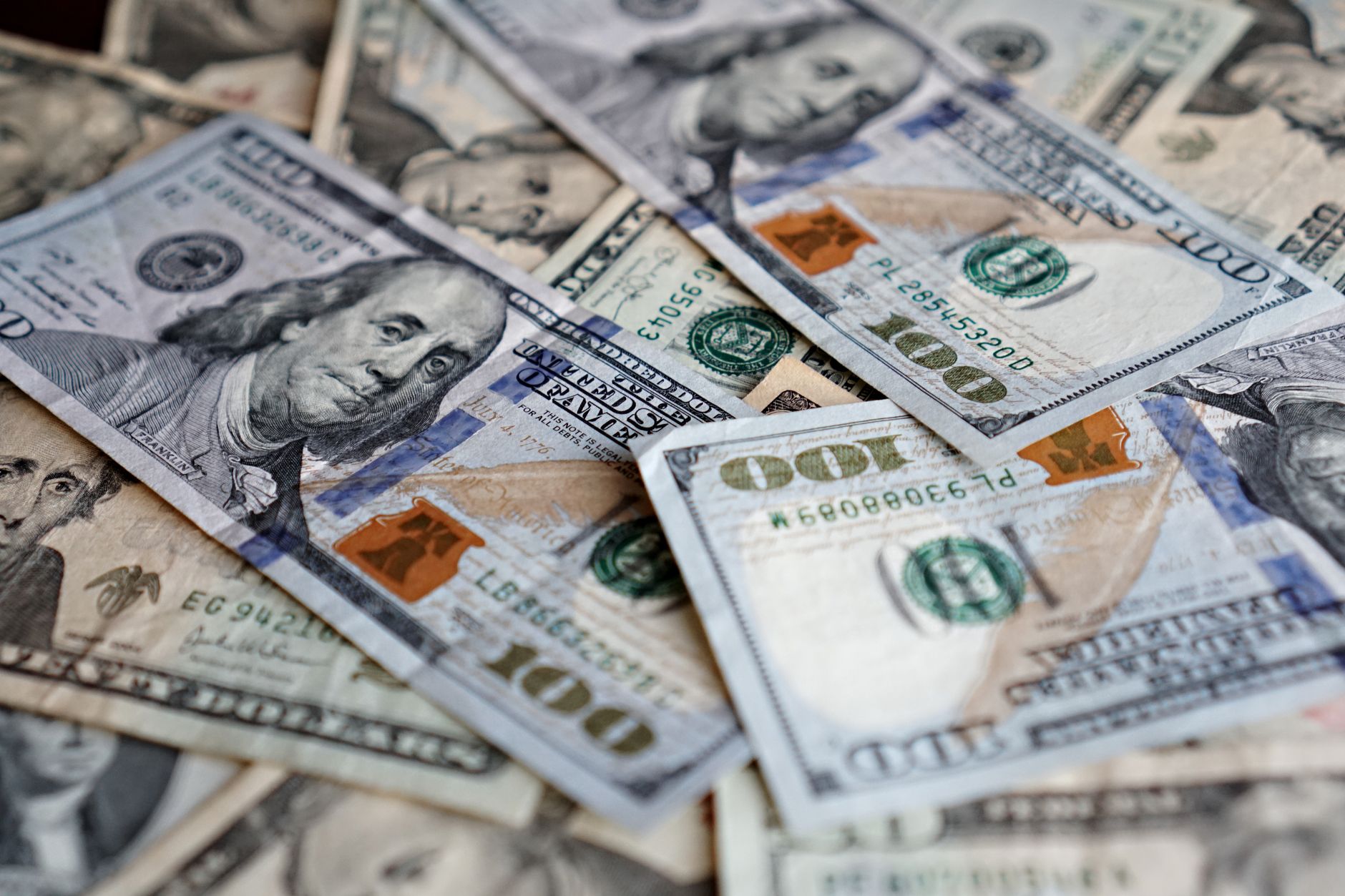
Single-stat snapshot: a 10% cashback on a ₹20,000 losing week returns ₹2,000, which can be meaningful if the terms are light and the release rules are fair.
Blackjack, roulette, and baccarat respond differently to cashback
Table games do not react to promotions in the same way. Blackjack often attracts disciplined players who value small edges and lower house advantage, so cashback can slightly improve session longevity. Roulette, especially European roulette, gives the house a clean edge that cashback can only trim. Baccarat sits in the middle for many players because betting patterns are straightforward and losses can stack quickly during streaks.
I still remember a visit to the Taj Mahal Casino in Atlantic City in 1998, when the blackjack pit was full of players who believed a comp was the same thing as an edge. The math never agreed with the mood. A player betting carefully on 3:2 blackjack can make better use of cashback than a player firing randomly at a crowded roulette wheel, but only if the rebate is paid without awkward restrictions.
| Table game | Typical house edge | Cashback value |
|---|---|---|
| Blackjack | Low with correct rules | Strong for steady players |
| European roulette | 2.70% | Moderate, helps soften variance |
| Baccarat | Low on banker bets | Good for volume play |
Players who want a broader view of game selection often compare promotions with the slot catalog, but table-game users should stay focused on eligible titles and return rules rather than chasing the biggest headline number.
The fine print that decides whether cashback helps or hurts
Protective reading starts with the terms. Cashback that arrives as locked bonus funds can be less useful than a smaller amount paid as cash. If the promotion requires wagering, the real value drops fast. A 15% rebate with a 10x wagering condition can become far less attractive than a 5% rebate with no strings attached.
Check three things before accepting the offer: the loss period, the eligible games, and the payout format. Loss periods can be daily, weekly, or monthly, and the timing changes how often you can recover a portion of your play. Eligible games matter because some casinos exclude low-margin table games or count them at reduced rates. Payout format matters because cash-equivalent credits preserve flexibility, while locked bonus money can trap you in more play than you intended.
A cashback offer is only as strong as its redemption rule; a smaller, clean return often beats a larger return that arrives with heavy wagering.
One more point deserves attention. If the program calculates cashback on “net losses after bonus use,” then bonus funds can reduce the amount returned. That is a common trap. The player thinks the promotion rewards risk, but the house has quietly narrowed the base used for the calculation.
Where reputable game makers fit into the picture
Cashback is not created by the game provider, but the provider still matters because game quality affects volatility, speed, and rule consistency. A respected studio such as Pragmatic Play carries credibility because its table-game portfolio is built around recognizable formats and clear presentation, which helps players evaluate the real cost of each session. When the game rules are transparent, cashback is easier to judge honestly.
That said, no provider can rescue a weak promotion. A polished live table with fair rules still loses its usefulness if the cashback cap is tiny or the redemption window is too short. Players should treat the provider as one part of the picture, not the picture itself.
How to use cashback without letting it control your bankroll
The safest approach is to assign cashback a support role. Use it to extend a session only when your stake size is already fixed. Do not increase bets just because a rebate exists. That is how a helpful promotion turns into a silent leak.
- Set a loss limit before you start.
- Choose table games with rules you understand.
- Track whether cashback is cash, bonus credit, or wagering credit.
- Confirm the payout date so you know when the value lands.
- Keep the rebate as a cushion, not a reason to chase losses.
Players who grew up on the old casino floor know the rhythm: win, lose, leave, come back another day. Cashback changes the rhythm only a little. It can reduce friction, especially in blackjack and baccarat sessions where volume matters, but it never replaces discipline. Read the rules, keep the stakes sensible, and treat every percentage point as money that needs to be earned, not assumed.
When the promotion deserves a seat at your table
Cashback belongs in the conversation when you play regularly, tolerate normal variance, and want a small safety net. It is less useful for impulsive play, and it can be a bad fit if the terms are packed with exclusions. For table-game players, the best offer is the one that stays simple long enough for the math to work in daylight.

Leave A Comment